
Park Rangers: The True Guardians of the Planet
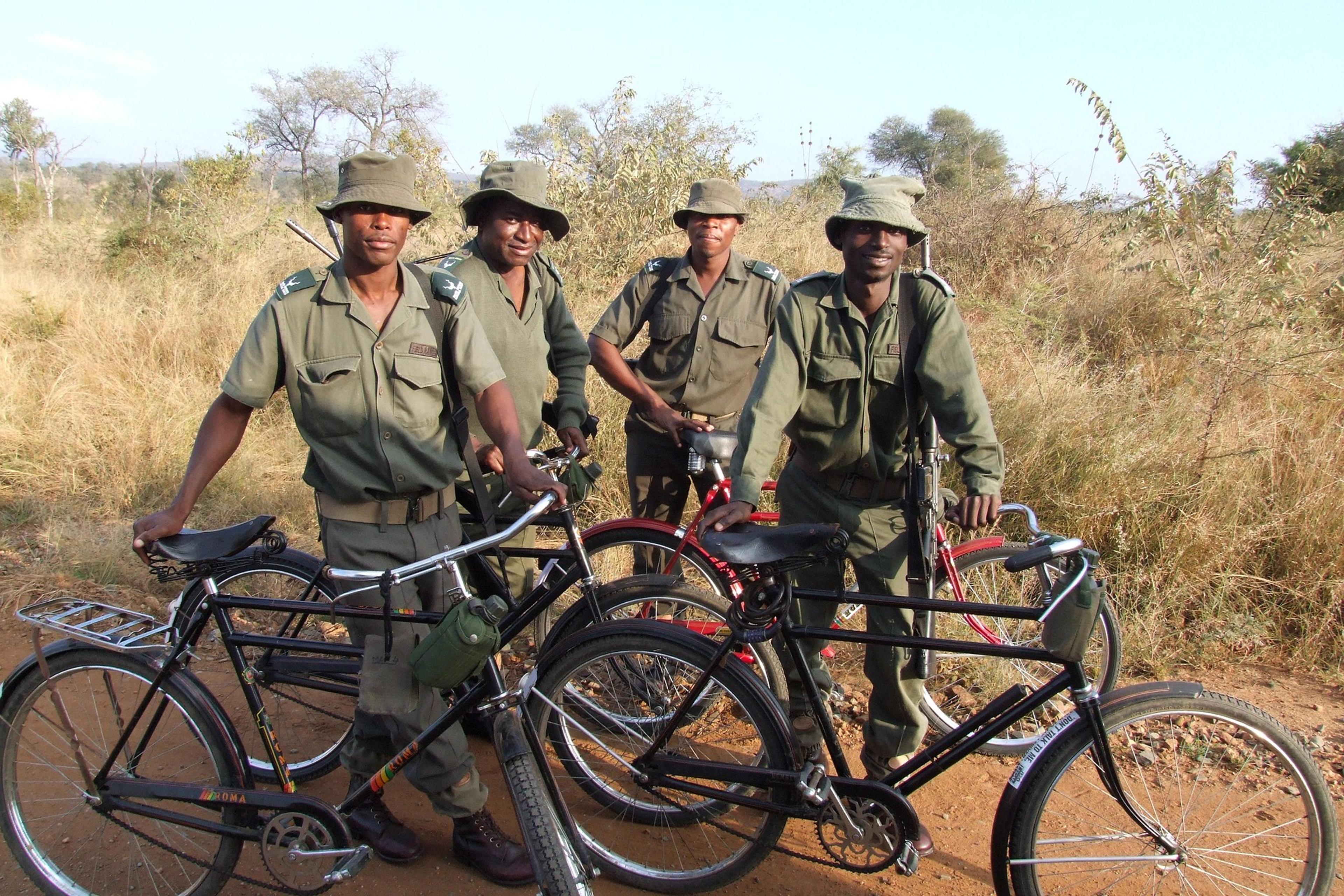
Every day in Africa, a park ranger wakes before dawn. There is no office to go to, no desks or conference rooms—only vast landscapes waiting to be protected. Some days are peaceful, while others demand courage in the face of danger. Without these dedicated men and women, many of the world's most treasured ecosystems and wildlife populations would be under far greater threat.
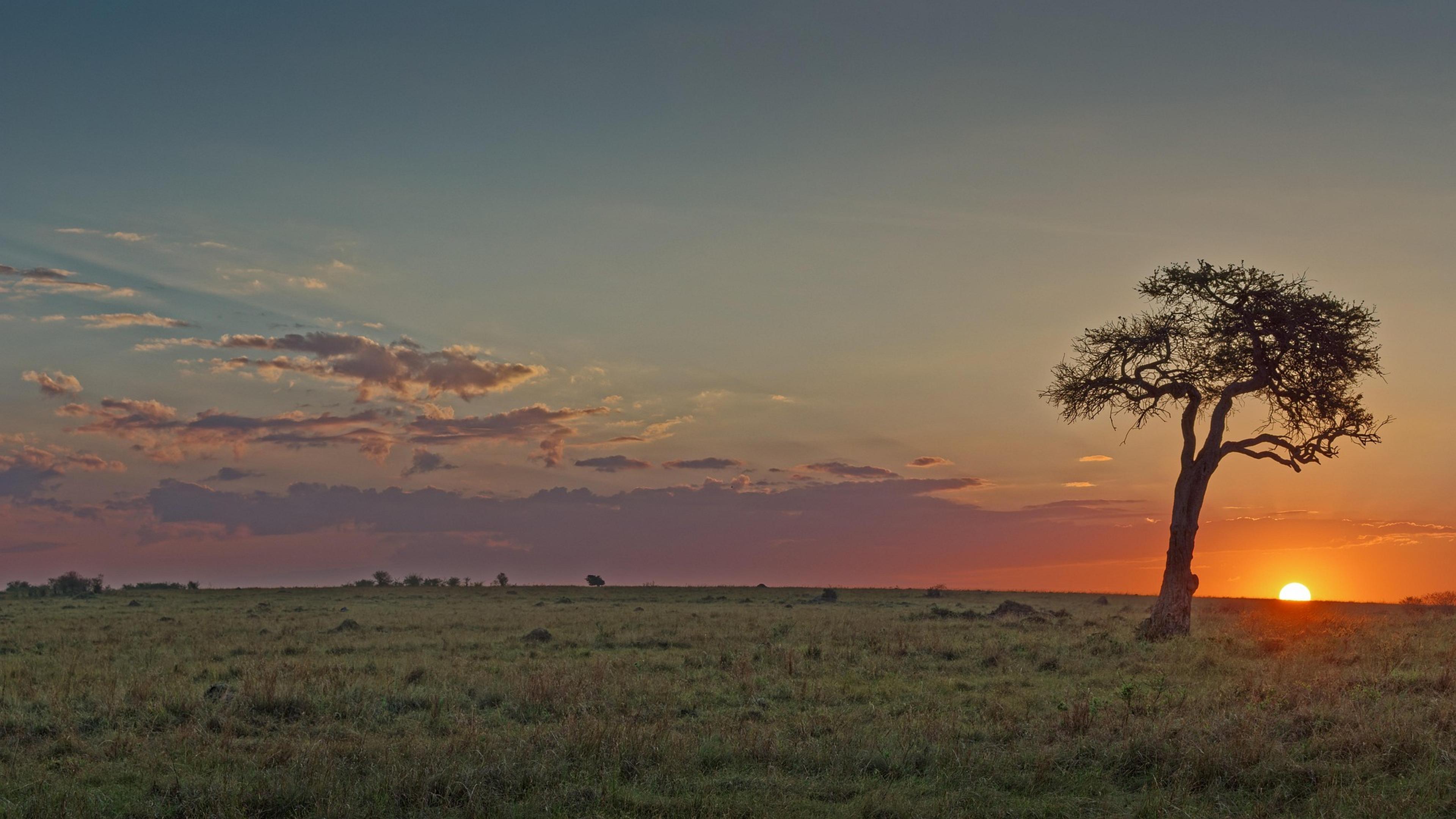
On 31st July every year, the world celebrates World Ranger Day: a day dedicated to recognizing the remarkable work of park rangers and honoring those fallen or injured in the line of duty. In 2026, the Kenya Wildlife Service (KWS) led commemorative events in Tsavo West National Park, while more than 400 conservation rangers marched through Nanyuki Town. In Baringo County, the Kenya Forest Service (KFS) held historic commemorations to salute forest rangers for their efforts in combating illegal logging and fighting forest fires.
Today, Kendirita Tours takes an in-depth look at the vital role that park and forest rangers play in conservation, and how travel can help support their efforts.
Protectors of the Planet
In Kenya, anti-poaching has long been one of the defining roles of park rangers. During the 1970s and 1980s, in particular, rampant elephant and rhino poaching, driven by the illegal ivory and rhino horn trade, pushed many wildlife populations to the brink. Thanks to decades of dedicated patrols, stronger law enforcement, and collaborative conservation efforts, Kenya has made remarkable progress in protecting its wildlife. Yet, safeguarding nature today goes further than preventing poaching.
Modern park rangers wear many hats. Their responsibilities include:
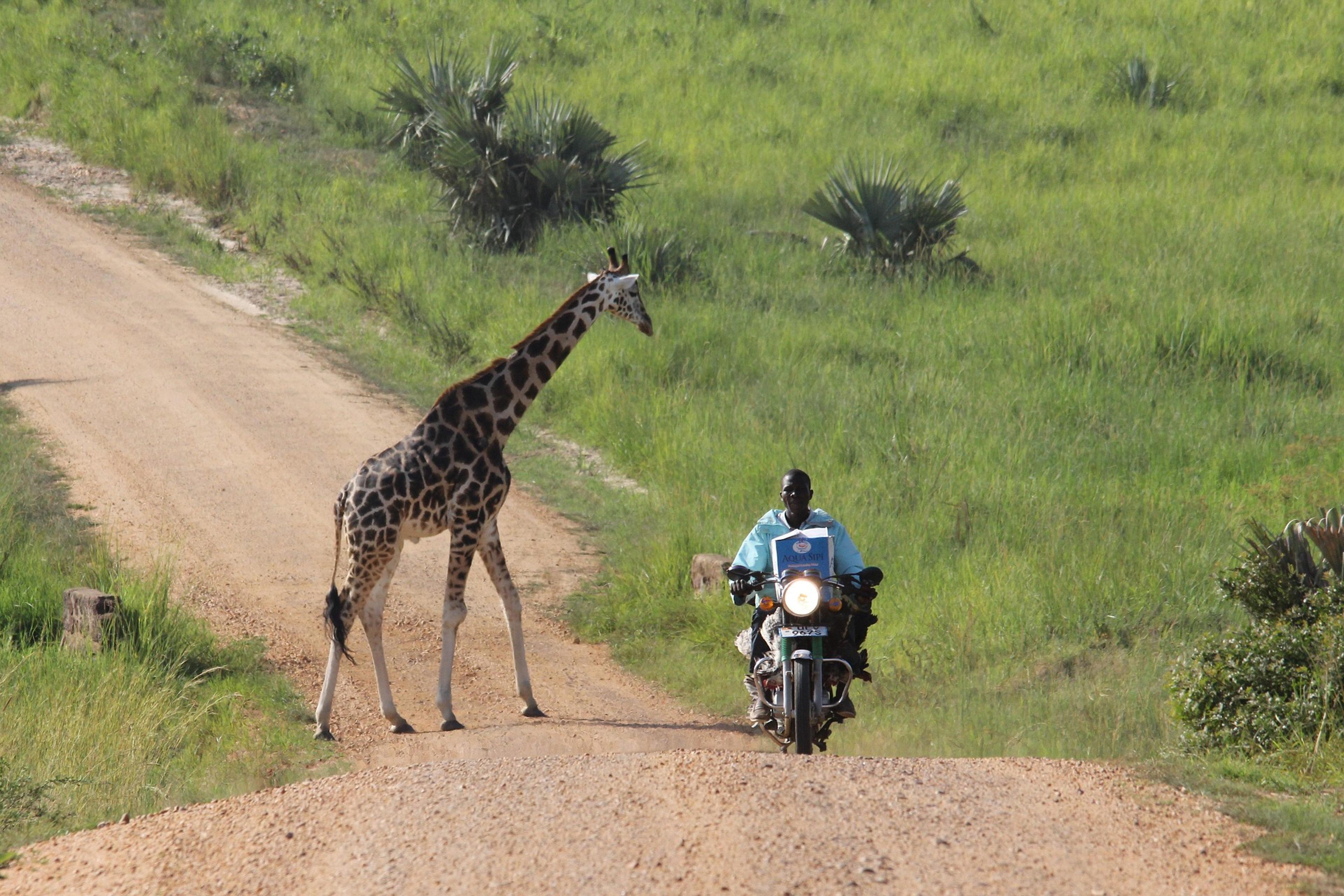
- -Monitoring wildlife populations and tracking animal movements.
- -Removing snares and other illegal traps that threaten wildlife.
- -Responding to injured or distressed animals alongside veterinary teams.
- -Preventing illegal logging, charcoal burning, and other forms of habitat destruction.
- -Detecting and responding to wildfires.
- -Collecting ecological data to support conservation research and management.
- -Maintaining roads, trails, fences, and other park infrastructure.
- -Educating visitors and local communities about conservation.
- -Working with neighboring communities to reduce human-wildlife conflict.
- -Supporting search and rescue operations and ensuring visitor safety within protected areas.
In many ways, park rangers are the guardians of entire ecosystems, protecting not only wildlife but also the forests, rivers, grasslands, and other natural habitats upon which countless species—including our own—depend.
Every Day Brings New Challenges
A ranger's day is rarely predictable.
Before sunrise, patrol teams may already be traversing rough terrain, searching for signs of illegal activity or monitoring wildlife movements. They may spend hours on foot, by vehicle, horseback or even by boat, depending on the landscape they protect.
Some days involve rescuing an injured elephant caught in a snare. Others require calming tensions between communities and wildlife, assisting researchers with wildlife monitoring, or guiding lost visitors back to safety.
The work is physically demanding and often dangerous. Rangers frequently operate in remote areas with limited resources while facing harsh weather, difficult terrain and, in some parts of the world, heavily armed poachers.
Despite these risks, they return each day with the same purpose: to ensure that future generations inherit a world where nature still thrives.
Why Rangers' Efforts Matter to Travelers
Every memorable safari owes something to a park ranger.
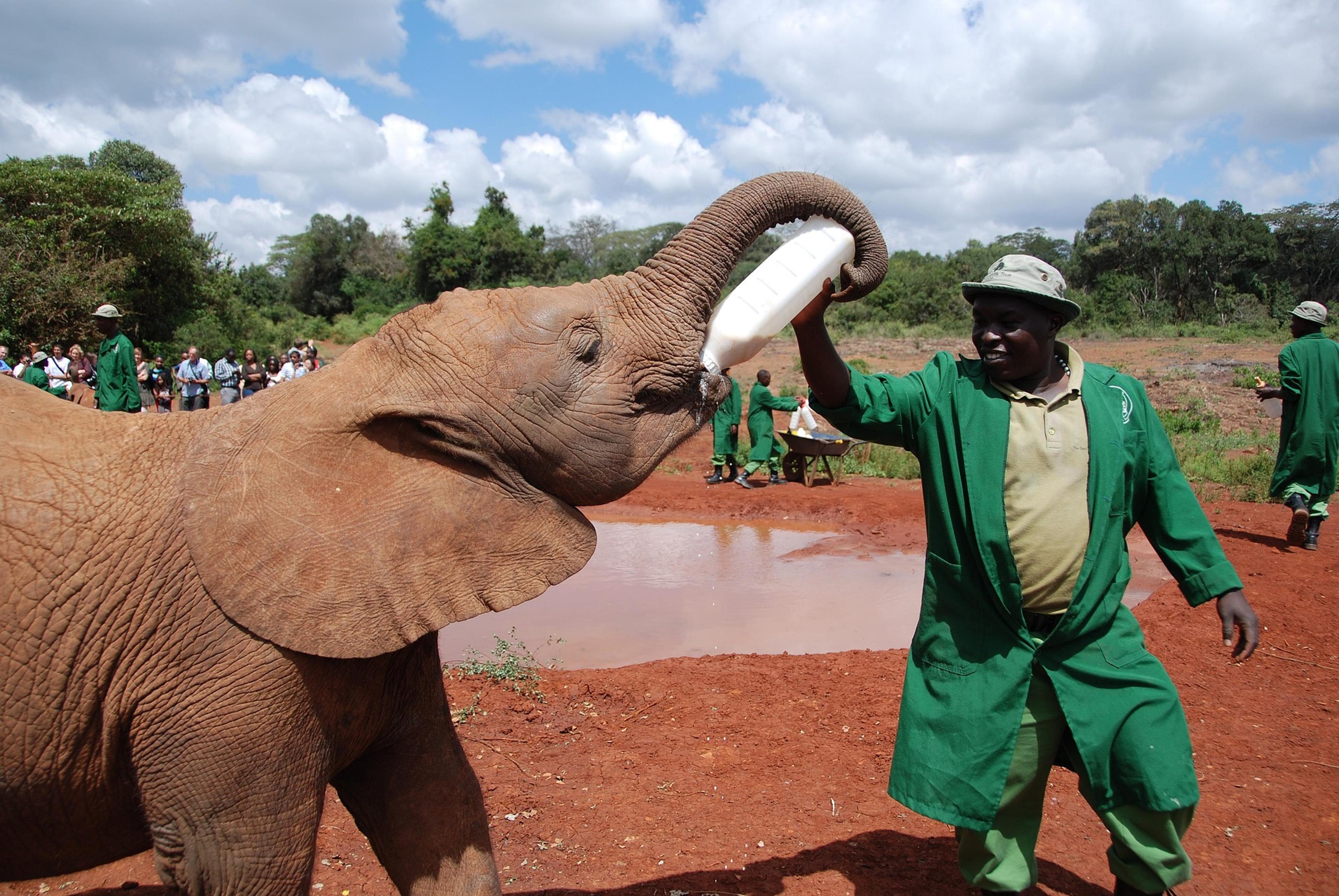
The pride of lions, the elephant family, the rare bird perched in a wetland, or the healthy forest alive with birdsong; these moments are made possible through years of conservation, monitoring and protection.
Long before the first safari vehicle enters a park each morning, rangers have already been hard at work, ensuring these extraordinary landscapes remain safe and thriving for both wildlife and visitors.
At Kendirita Tours, we deeply appreciate and celebrate the dedication of our park and forest rangers, whose commitment makes every journey into the wild possible. By choosing responsible tourism, our travelers also become part of this conservation story, helping to protect these natural treasures for generations to come.
The next time you venture into Kenya's wilderness could be an opportunity to experience nature at its finest, and also a chance to support the people working tirelessly to preserve it.
Writer: Winnie Wekesa
