
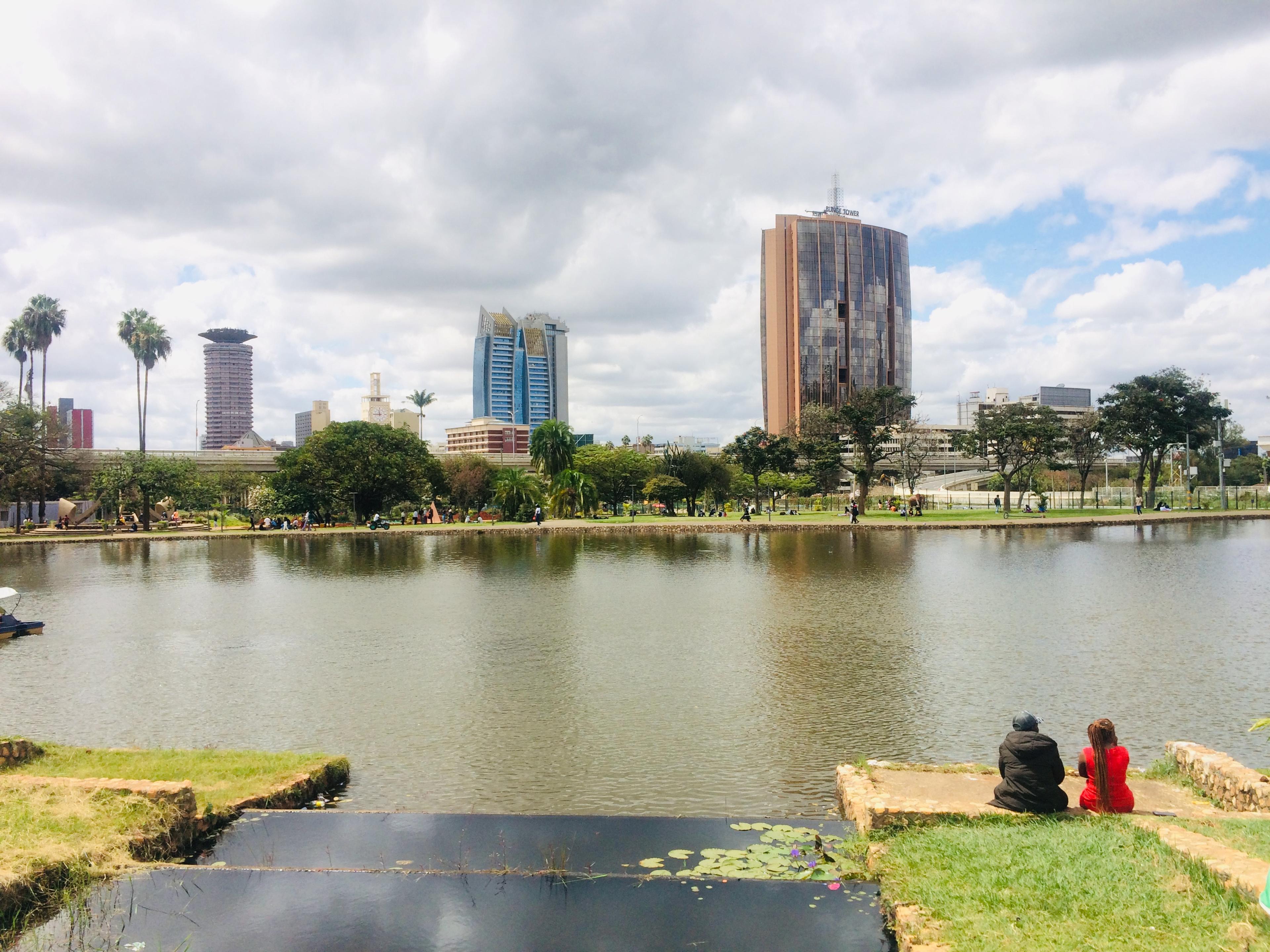
Nairobi: The City to Watch
The history of Nairobi is entwined with the history of Kenya itself. It was established in 1899 as a railway depot along the Uganda Railway. Its location and cool climate, made it a practical stopover and watering hole between Mombasa and Lake Victoria. When Kenya finally gained independence in 1963, Nairobi became the country’s capital and the political center for the new nation.
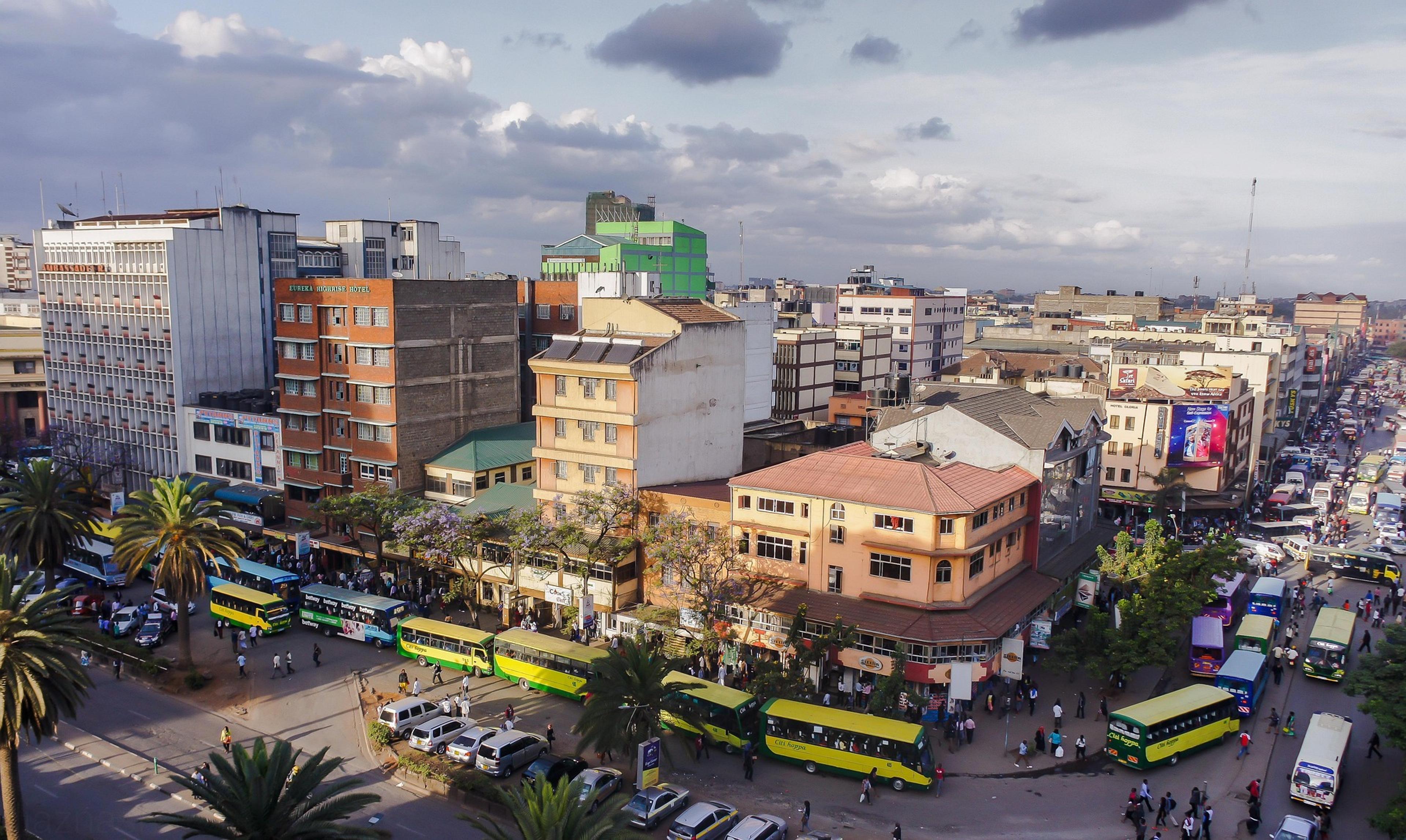
Soon after, people migrated rapidly from rural areas to the city causing the population to double from about 340,000 in 1963 to over 800,000 by the 1980s. Today, Nairobi is the major financial and economic hub of East Africa, with a population of 5.6 million and the only city with a national park within its borders.
As more visitors arrive in Kenya, there is a growing appreciation of Nairobi as a destination in its own right, and not simply a getaway into the savannah. Let's explore why:
Nairobi’s Vibrant Culture
The culture of Nairobi is as diverse as the people who call it home. As Kenya's capital, it brings together people from different parts of the country, each contributing their languages, traditions, food, music and ways of life. Over the years, this has created a distinctly urban Kenyan culture that is constantly evolving.
Traditional Kenyan influences exist alongside Indian, Arab, European and other international influences, reflecting the city's long history as a meeting point for people from different parts of the world.
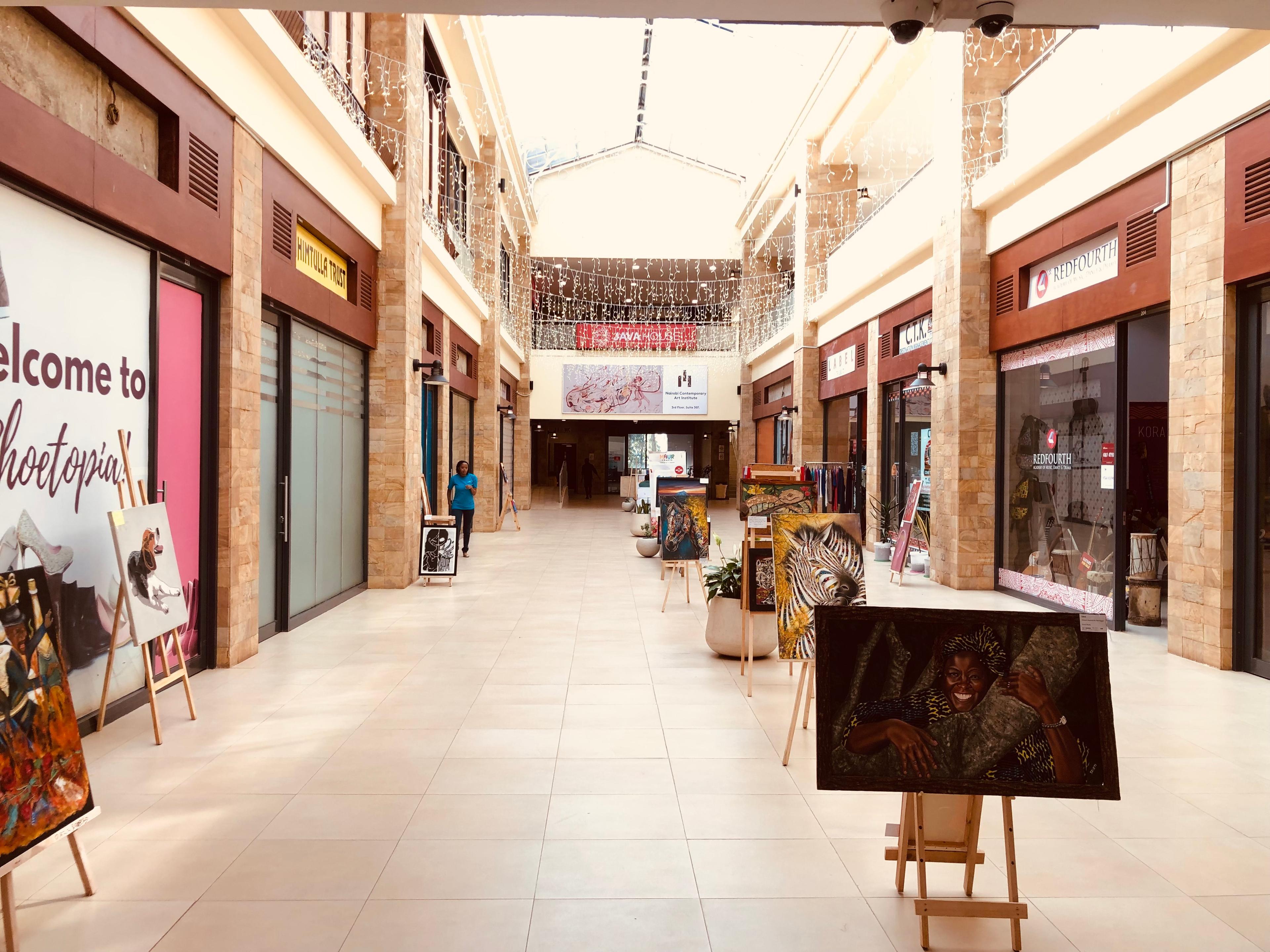
There is also a strong contemporary culture emerging from the city. Young Kenyans are creating new music, experimenting with fashion, building creative businesses and finding new ways to tell Kenyan stories.
Nairobi invites you to experience the people, places and everyday life that give it its character.
Finance, Technology and Innovation

Nairobi is home to major banks, financial institutions, investment firms and the Nairobi Securities Exchange (NSE). Its financial sector has developed alongside its technology ecosystem, creating fertile ground for fintech innovation.
The story of M-Pesa is perhaps the best example. What began as a Kenyan mobile money service changed how millions of people access and transfer money and became one of the world's most recognized examples of financial technology.
Today, Nairobi continues to attract businesses working at the intersection of finance and technology.
This matters because financial innovation reshapes access to financial services, entrepreneurship and commerce across the region.
Growing Business Tourism
International conferences, corporate meetings, diplomatic gatherings and major events bring business travelers from across Africa and beyond. Nairobi’s hotels, conference facilities and established business community give it the infrastructure to host them.
Nairobi and Climate Justice

Nairobi is increasingly playing an important role in the global conversation around climate justice, particularly in giving Africa a stronger voice in discussions about climate change and its unequal impacts.
As the headquarters of the United Nations Environment Programme (UNEP), the city is home to international efforts focused on environmental protection, climate action and sustainable development.
In September 2023, Nairobi hosted the Africa Climate Summit that led to the Nairobi Declaration on climate justice. It brought African leaders and global stakeholders together to push for greater climate finance, adaptation and a fairer global response to climate change.
A City Becoming
Nairobi is a city in motion. Its culture is vivid and evolving, while its proximity to nature remains one of its greatest advantages. Its financial industry is expanding and its creative community is finding new voices. There is no telling what Nairobi will do next. And that is precisely why it’s a city worth watching.

For our travelers, this means there is more to Nairobi than meets the eye. And for the rest of the world, Nairobi is increasingly a city worth seeing. Here at Kendirita, we are watching and waiting with you. We hope you get a chance to visit, and when you do, we’ll be thrilled to take you around.
Writer: Winnie Wekesa
