
A Look at Nature’s Cleanup Crew
When an animal dies in the wild, it rarely remains untouched for long. The circle of life suggests that there is a continuous loop of birth, growth, reproduction and death. That the energy of life is never wasted, but that it’s recycled in an endless, natural balance. And at a crucial part of this loop are scavengers, shredders and decomposers—nature’s cleanup crew—who link death to rebirth. They feed on dead, decaying animals, neutralizing pathogens and preventing the spread of diseases.
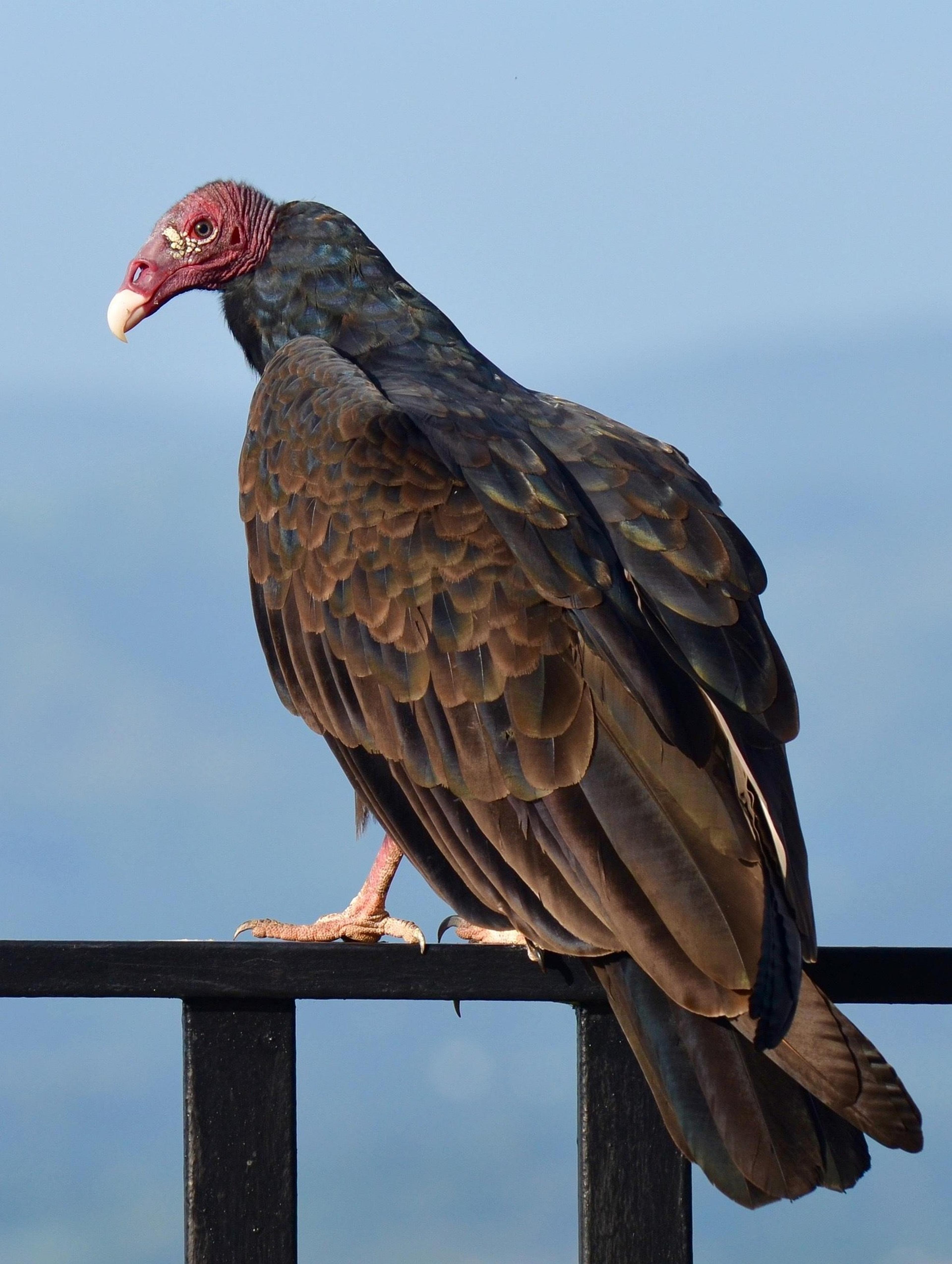
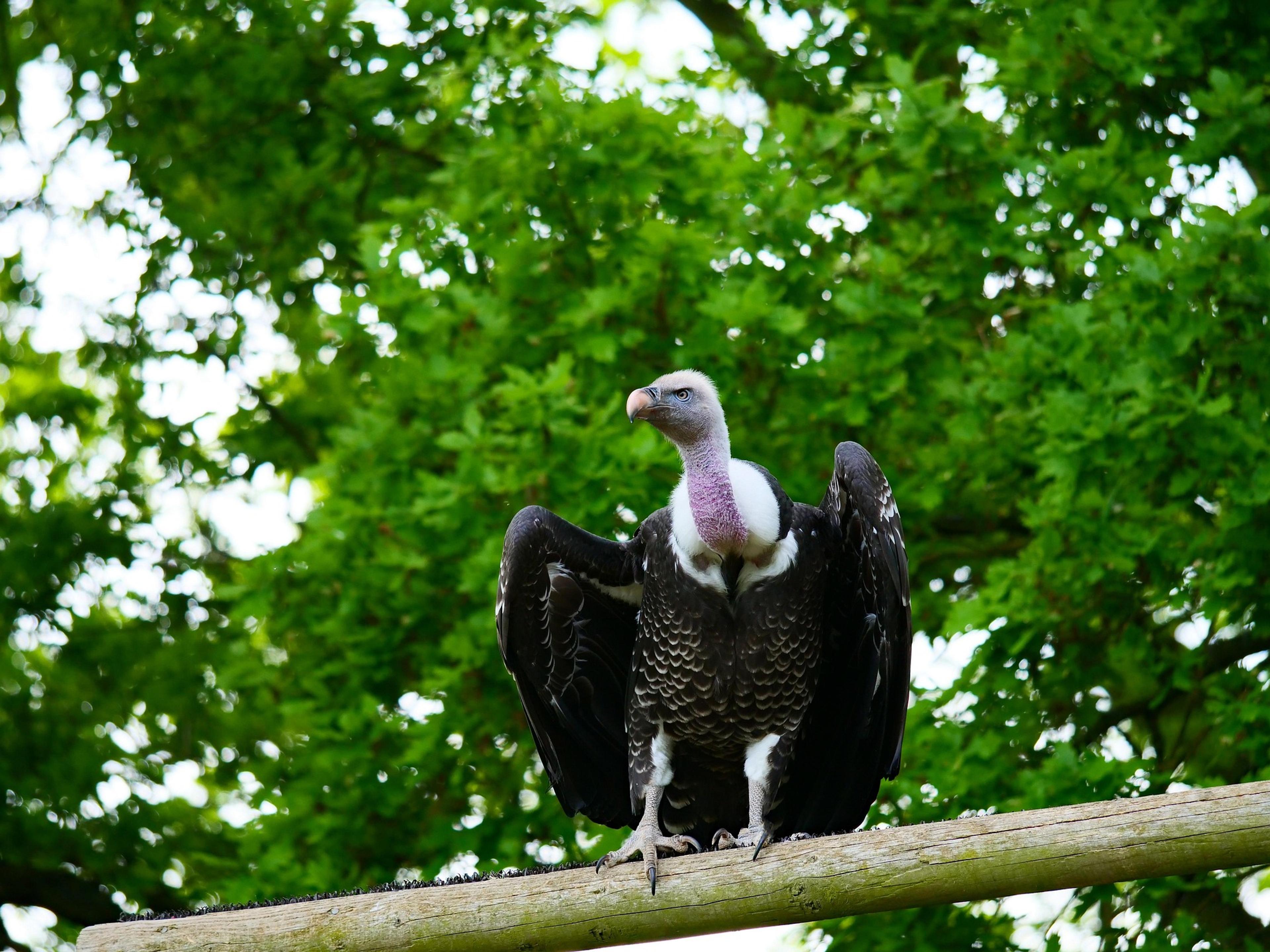
But despite their crucial role in the ecosystem, scavengers (in particular) have often suffered a poor reputation among humans. Stories, myths, and folklore have long depicted them as villains. Vultures, for instance, are often perceived as a bad omen. And their physical appearance does little to endear them to most people: they have bald, featherless heads, a hunched posture, and unblinking, beady eyes. But there is more to these creatures than meets the eye. To judge them by myth and appearance alone would be an injustice to one of nature's most vital members.
Today, we take a closer look at these keystone species, explore their roles, and how travel can help ensure their survival.
Scavengers: Nature's Rapid Response Team
When a death occurs in the wild, scavengers are often the first to arrive. They feed on dead animals (carrion), preventing carcasses from lingering in the environment.
- Vultures can locate carcasses from remarkable distances and possess highly acidic stomachs capable of destroying dangerous pathogens such as anthrax.
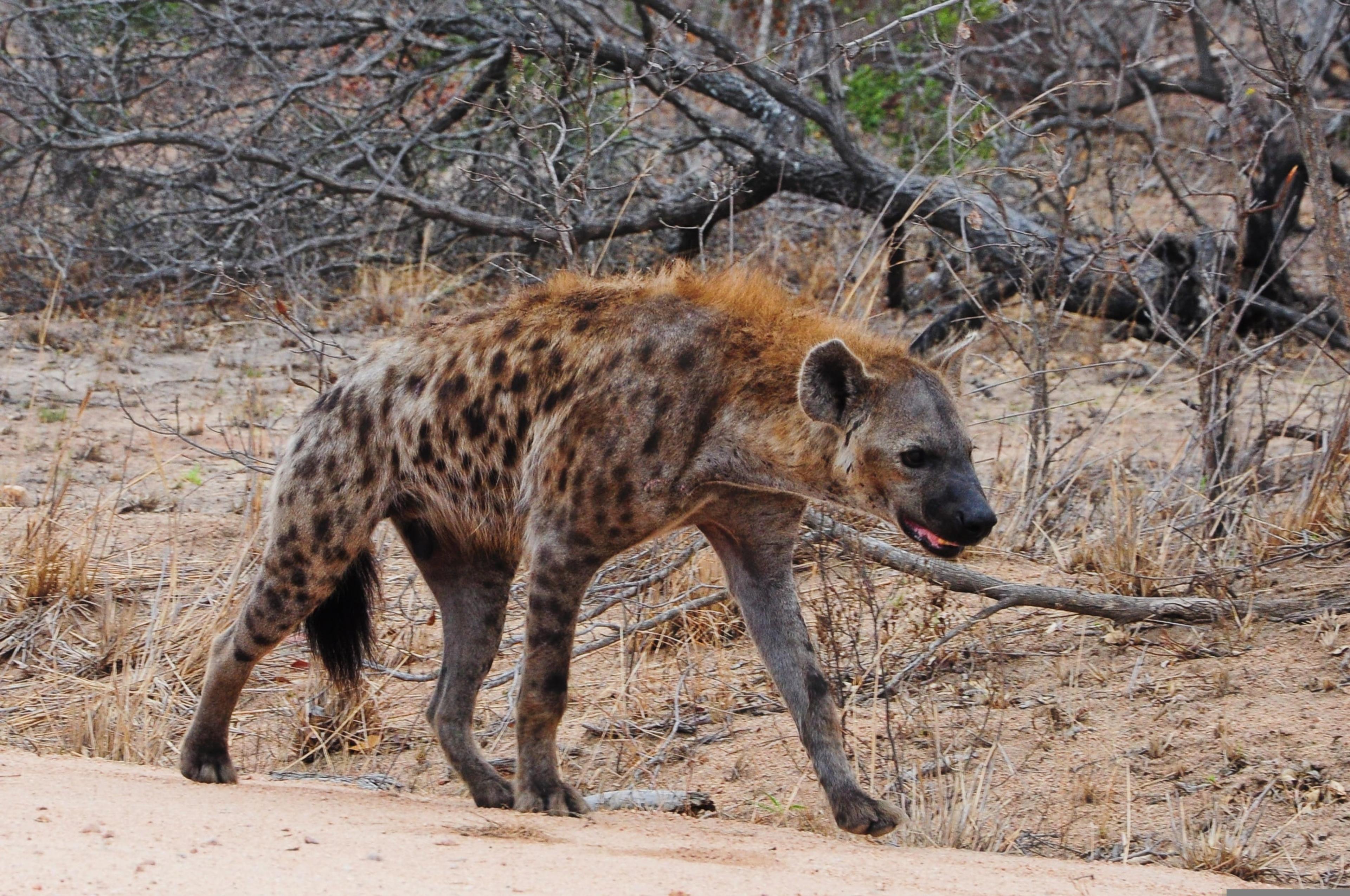
- Hyenas, often misunderstood as opportunistic thieves, are equally remarkable. They have exceptionally powerful jaws that crush bones, extracting nutrients that few other animals can access.
- Jackals, marabou storks, foxes, crabs, and numerous insects also play important roles, each feeding on different parts of a carcass.
Together, these scavengers ensure that almost every part of a dead animal is put to use.
Decomposers: The Invisible Workforce
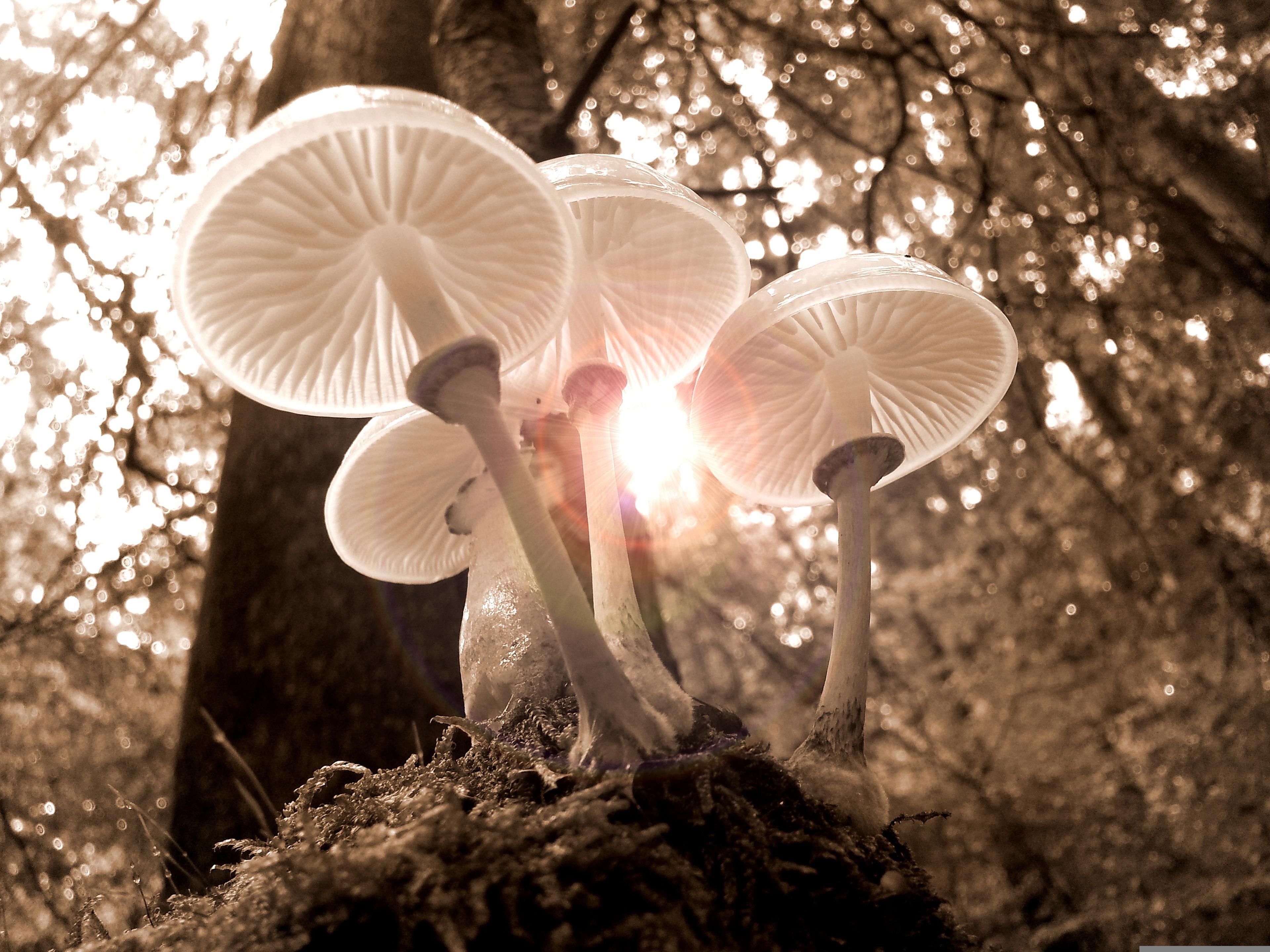
Once scavengers have finished feeding, another team takes over. Although invisible to the naked eye, decomposers complete one of nature's most important recycling processes.
- Fungi break down dead plants, wood, feathers, and animal remains while returning nutrients to the soil.
- Bacteria continue the decomposition process at a microscopic level, releasing essential nutrients such as nitrogen, phosphorus, and carbon.
- Mycelium, the underground network formed by many fungi, helps distribute nutrients and water between plants, supporting healthy ecosystems.
Without decomposers, dead organic matter would accumulate and nutrients would remain locked away instead of nourishing new plant growth.
Dung Recyclers
Animal waste is quite useful in nature. Several species specialize in recycling dung, providing valuable ecological services in the process.
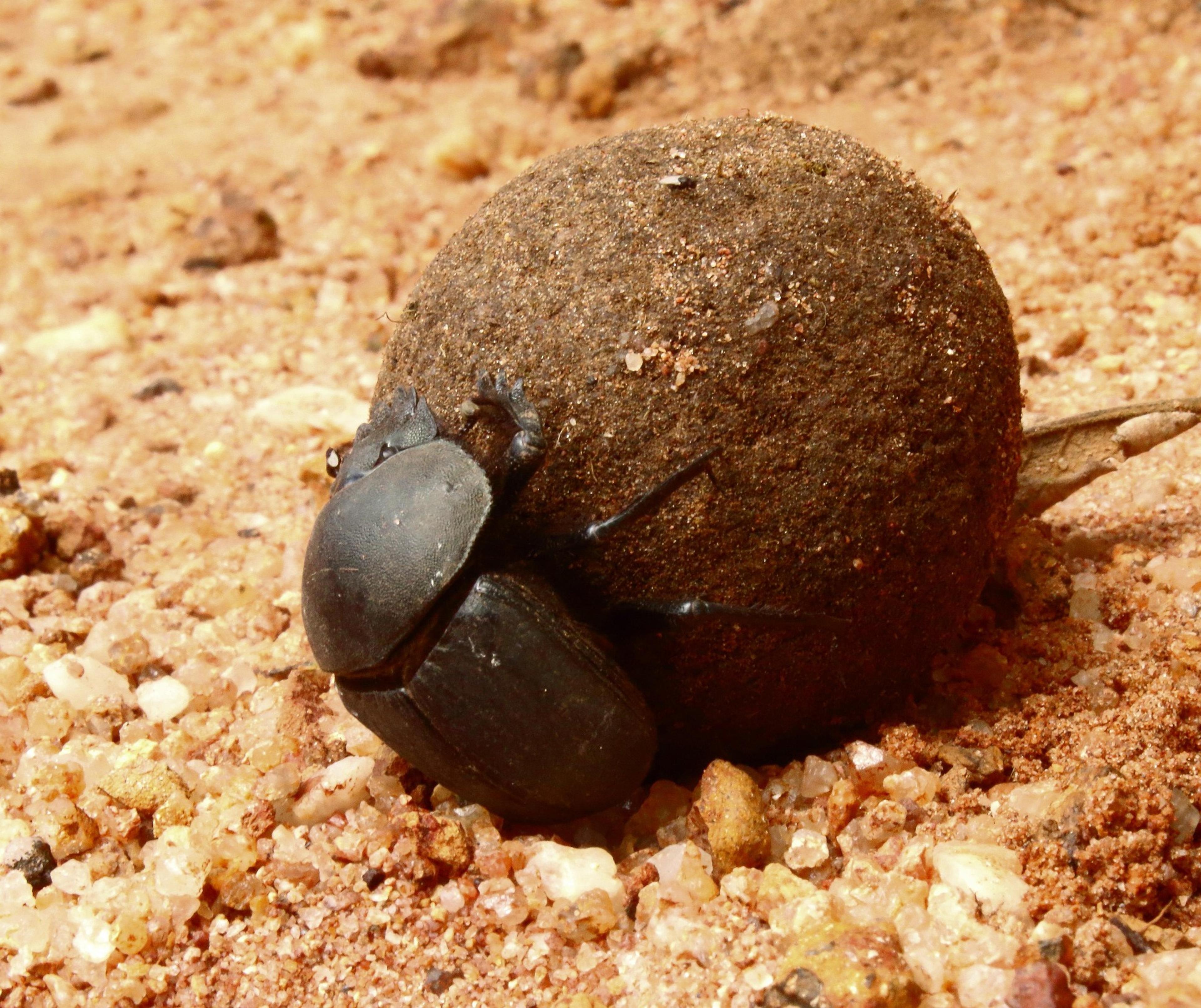
- Dung beetles roll or bury dung, fertilizing the soil, improving water infiltration, and reducing parasite populations.
- Termites break down dead wood and plant material while enriching surrounding soils through the construction of their mounds.
- Flies, despite having a poor public image, also play an important role. Fly larvae consume decaying organic matter rapidly, helping recycle nutrients back into the ecosystem.
The Shredders
Shredders physically break down organic matter into smaller pieces, making it easier for decomposers to finish the job.
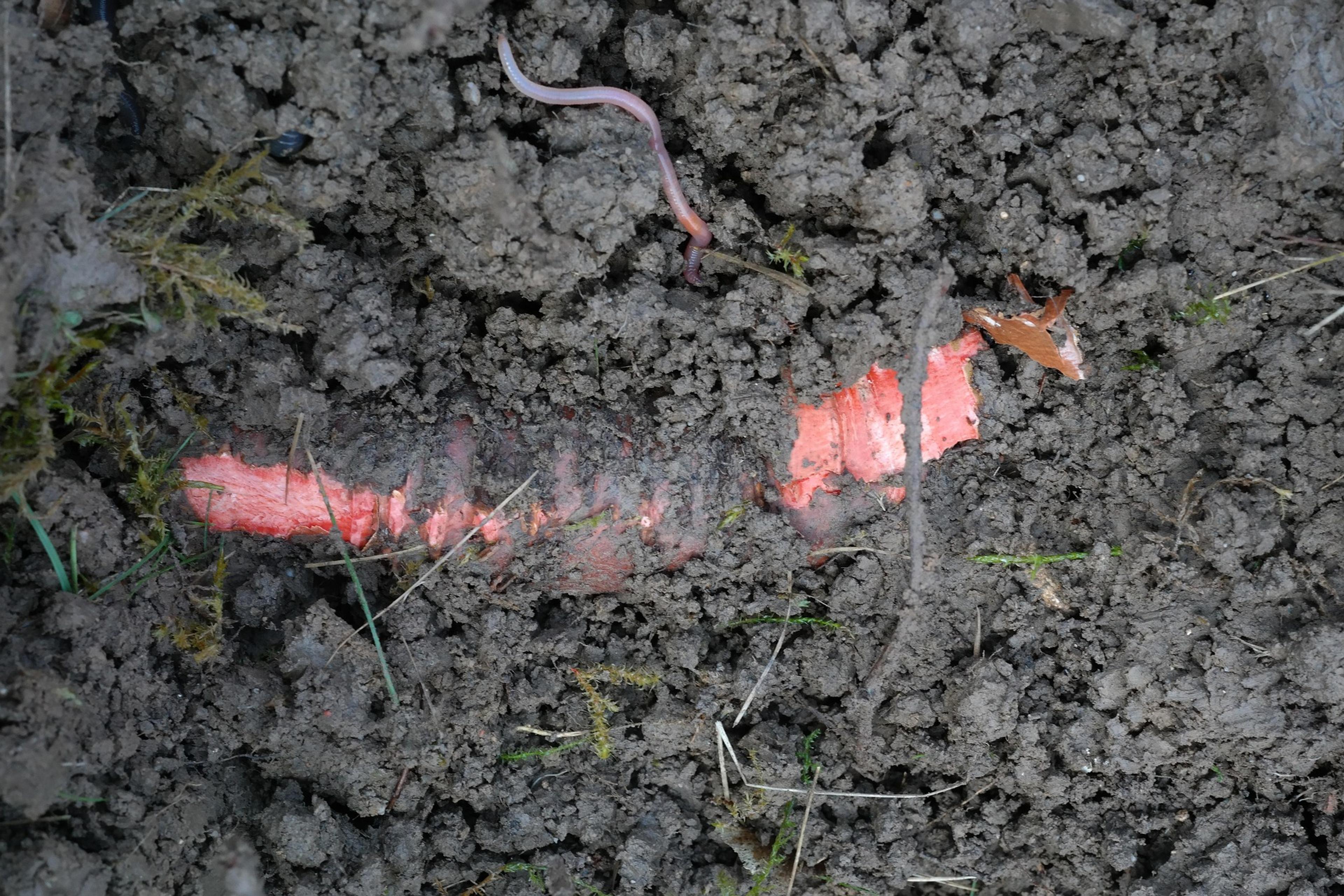
Earthworms tunnel through soil while consuming decaying plant material, improving soil aeration. Millipedes grind fallen leaves into tiny fragments. Woodlice recycle decaying vegetation beneath logs and stones. Many freshwater crustaceans perform similar roles in rivers and lakes.
We owe much of the healthy soil in our rainforests and backyard gardens to these often-overlooked engineers.
In Closing
To quote Marcel Proust, "The real voyage of discovery consists not in seeking new landscapes, but in having new eyes."
At Kendirita Tours, we believe every safari is an opportunity to return home with a deeper appreciation for the natural world.
When you're ready to meet the scavengers of The Mara, we'd be delighted to help you plan your safari. We hope it leaves you seeing nature's cleanup crew with new eyes—and renewed regard. Which is perhaps one of the greatest gifts of travel.
Writer: Winnie Wekesa
